Data Centers Are Moving Into Unexpected Places — and Reshaping Housing Markets Around Them
With U.S. data center vacancy at 1.3% and rents more than doubling in four years, tech giants are pushing into the Midwest and rural South. Local real estate markets are feeling it.
By Jimmy Lo
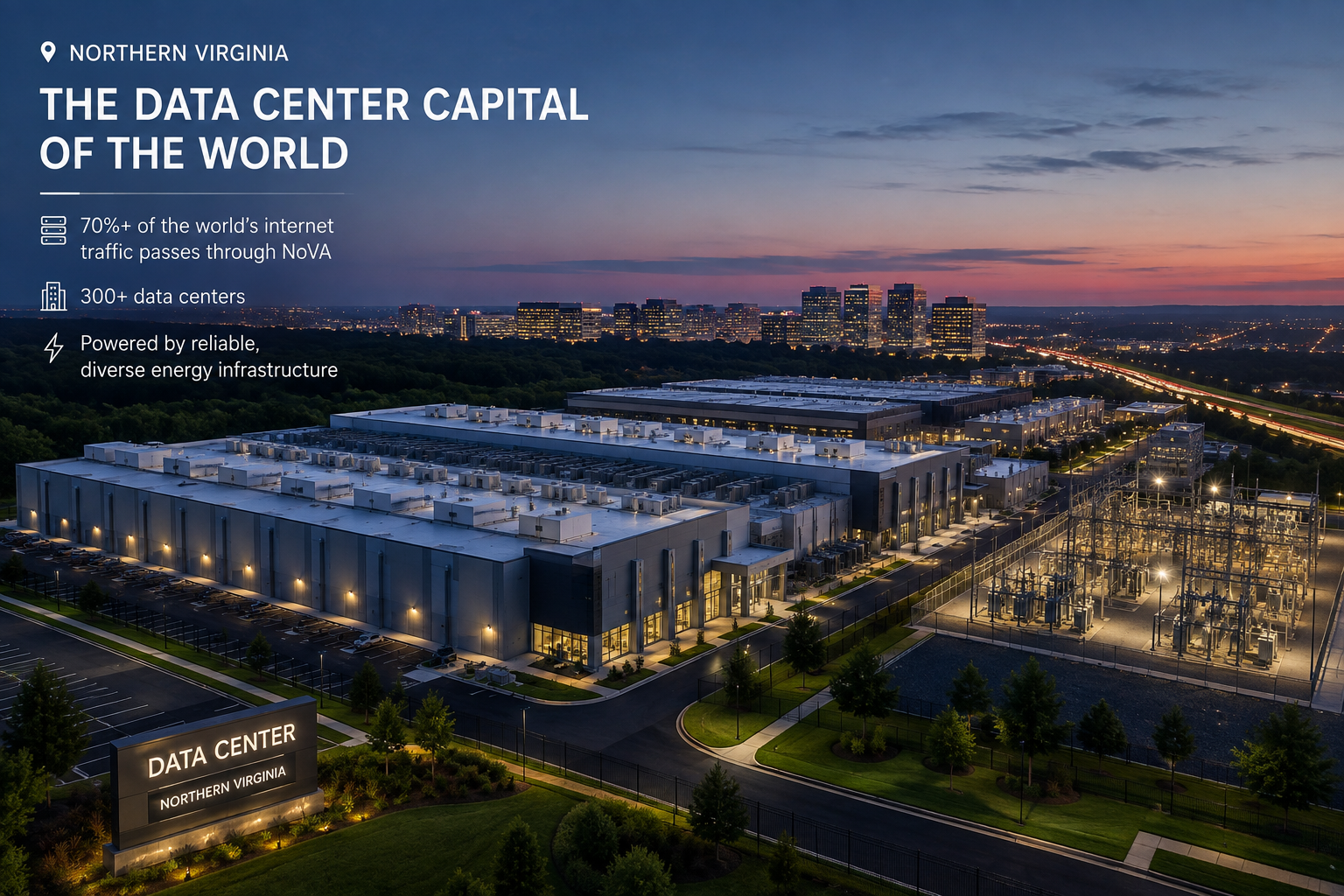
The AI buildout has turned data centers into one of the most consequential forces in regional real estate — and the geography is shifting.
Northern Virginia remains the largest data center market in the country, with vacancy below 1%. But land and power constraints are pushing Microsoft, Google, Meta, and Amazon into new territory: southern Idaho, Ohio, Indiana, Texas's Big Country, and Midwest farmland. U.S. data center vacancy stood at 1.3% at the end of 2025, and market rents have more than doubled over the past four years. Despite record construction, supply is falling far short of AI-driven demand.
The residential side is developing its own story. The share of U.S. home sales located within five miles of a large data center reached roughly 1.5% in 2026, more than double the 2018 level. The effect is a split screen: data center arrivals can boost regional land values and employment demand, while homes near active construction sites face buyer resistance tied to noise, water consumption, and long-term uncertainty about neighborhood character.
Meta raised its 2026 data center spending forecast to a range of $125 to $145 billion — an 8% increase. Blackstone has launched a dedicated data center REIT, estimating the total stabilized market could reach $1 trillion over the next five years. The capital is no longer speculative. The question for regional planners and housing economists is where the next cluster lands, and whether local infrastructure — power, water, roads — can absorb it.
Source: The Real Deal · HousingWire · CoStar · Bloomberg
Tags